
Main Menu
Introduction
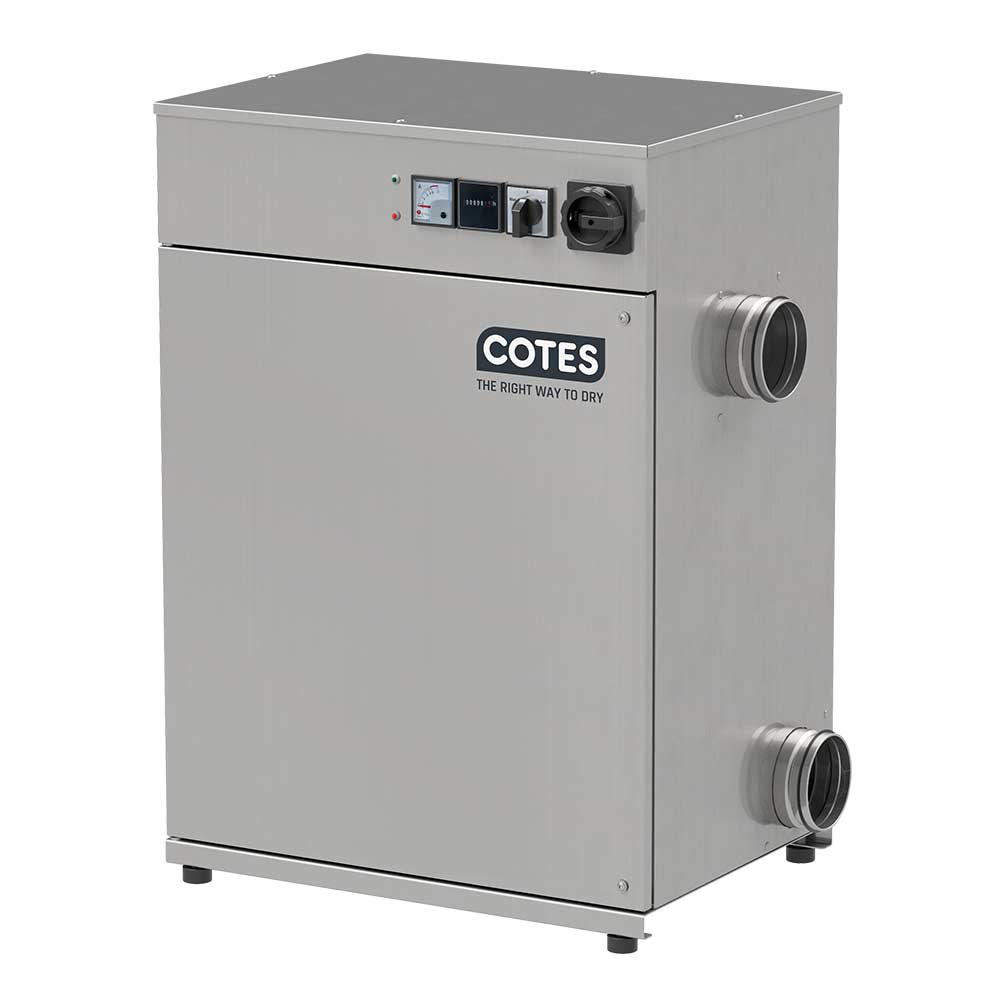
When warm, humid air comes into contact with cold water pipes and fittings, condensation can quickly form on their surfaces. Our robust desiccant dehumidifiers maintain low humidity levels to prevent condensation, reducing the risk of rust and corrosion while protecting critical infrastructure and lowering long-term maintenance costs.
Standing water and persistently damp surfaces in pumping stations and treatment plants can encourage mould and microbial growth while creating challenging operating conditions. Maintaining a controlled, dry environment supports high hygiene standards, protects buildings and equipment, and helps maintain consistent water quality and reliable operations.
Condensation can damage electrical control panels, switchgear and instrumentation, leading to faults and costly interruptions. Effective humidity control prevents moisture build-up, improving equipment reliability and helping to maintain continuous operation.
why choose us?
fast and free quotes
Free and fast response to all enquiries.
Expert technical advice
From a team with decades of experience.
bespoke turnkey solutions
We support you every step of the way.
