
frequently asked questions
How does humidity control extend the shelf-life of fresh produce?
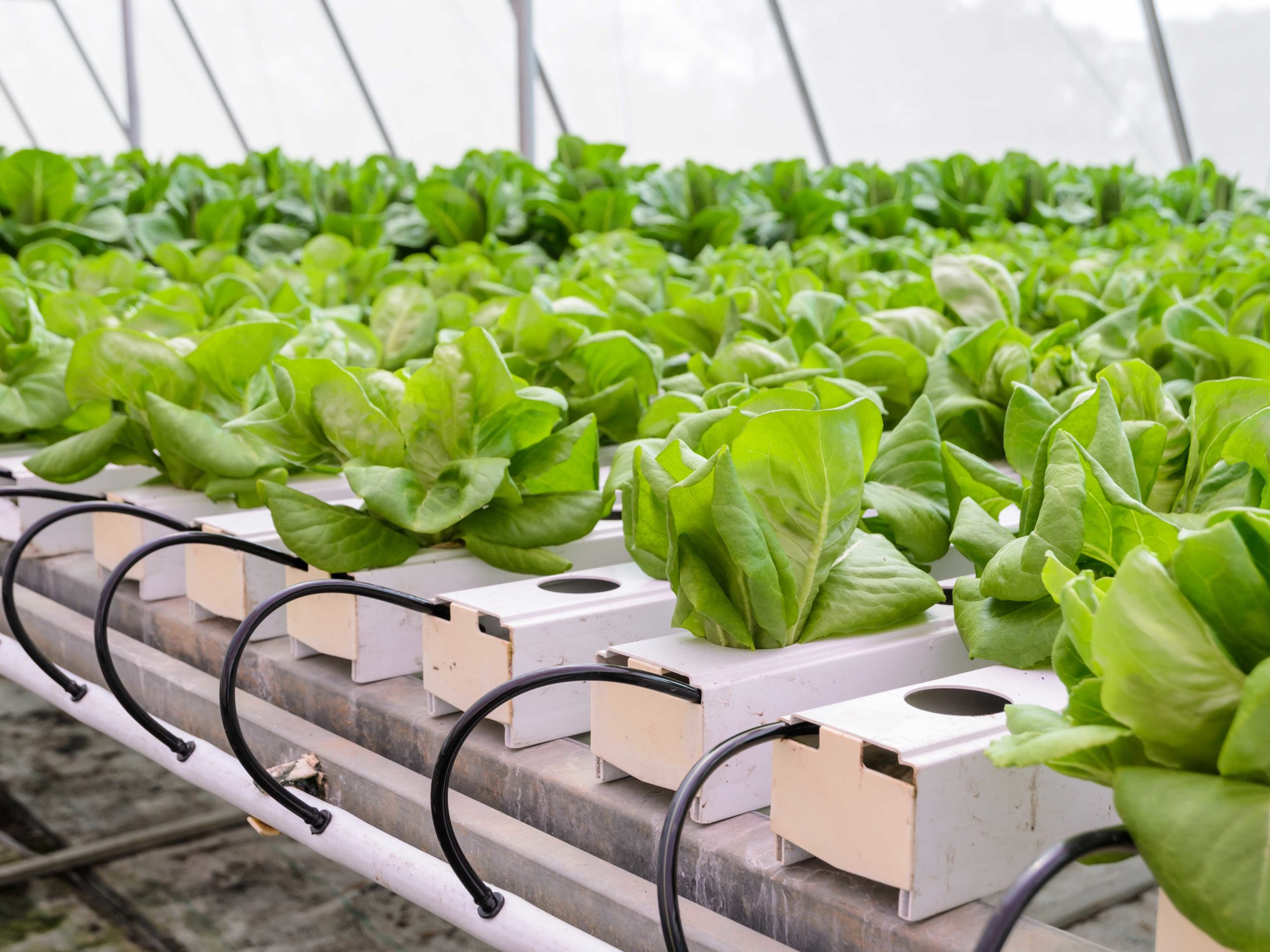
Precisely managed humidity prevents moisture loss, ensuring produce maintains its weight, volume, and nutritional value for longer. When the air is too dry, fruits and vegetables lose water to the environment through transpiration, causing them to wilt, shrink, and lose their snap. Our systems stop the produce from drying out by maintaining a high-humidity atmosphere that significantly reduces the rate of deterioration and prevents volume loss, ensuring your products stay fresh and saleable for several extra days.
How do your systems prevent condensation and ice build-up in cold storage areas?
We utilise desiccant dehumidifiers to remove moisture from the airflow, which stops ice and frost from forming on cold surfaces. Traditional cooling-based dehumidification is often ineffective in cold applications as components can freeze, but desiccant systems are ideal for these environments. By stripping water vapour directly from the air, these units prevent condensation from settling on floors and evaporator coils. This eliminates slippery ice patches and reduces the need for energy-heavy defrost cycles.
How does humidity control support the cooling and curing process?
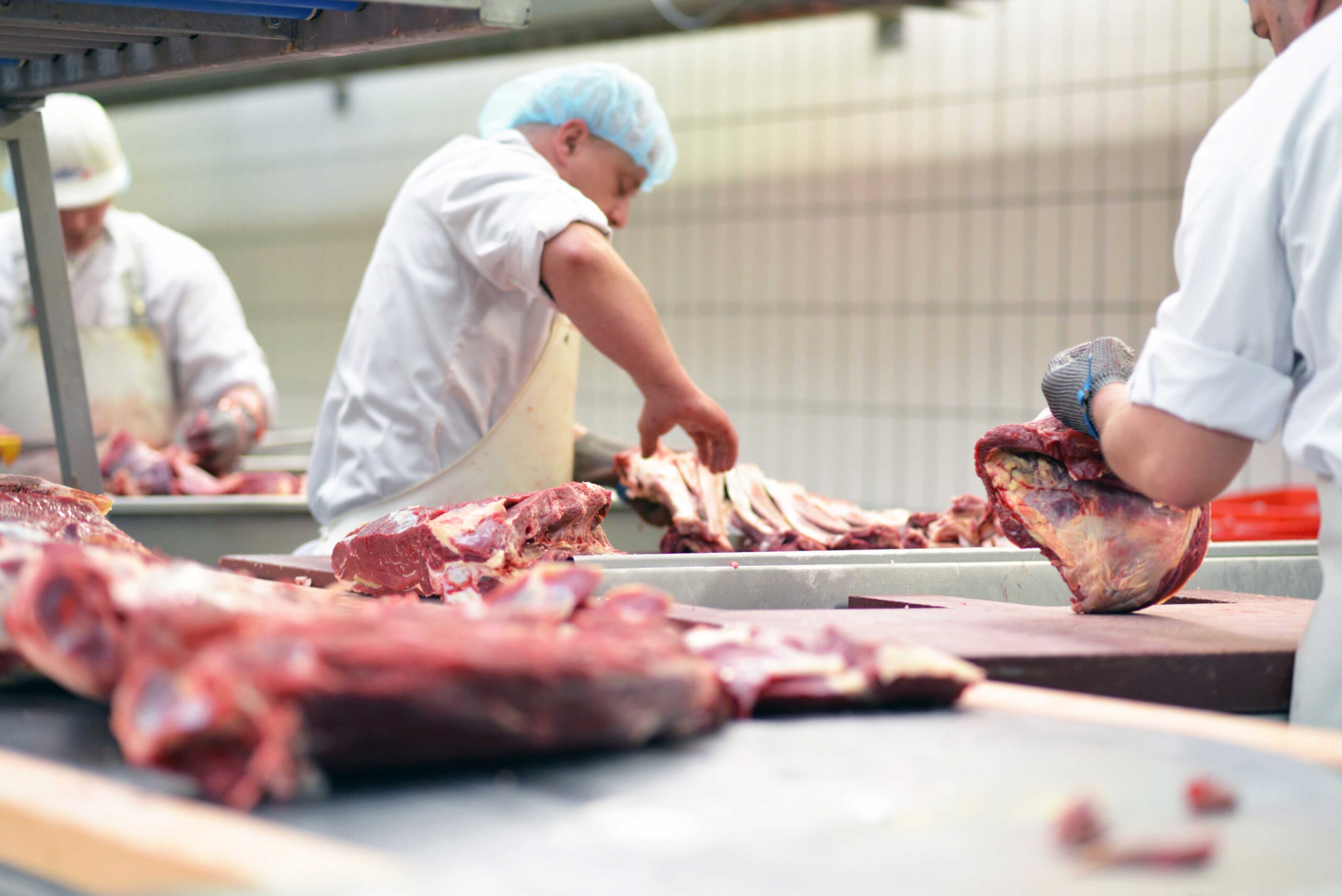
In charcuterie and meat processing, dehumidifiers facilitate the curing process by precisely removing moisture to ensure the product cures safely and evenly. While humidity control is often used to prevent weight loss in fresh goods, the curing of meats requires a managed reduction in water content to develop flavour and texture. By using professional dehumidification, you can prevent case hardening where the outer layer dries too fast and traps moisture inside. This ensures a consistent and high quality result that meets food safety standards every time.
