Industry Experts
Food Production
Why is humidity control important to Food Production?
Every year, UK food manufacturers discard nearly 1.4 million tonnes of food, with poor product quality accounting for a significant portion of this loss. Uncontrolled relative humidity (RH) is a major driver of waste, causing raw ingredients to clump on packaging lines, baked goods to absorb excess moisture, and products to lose weight and visual appeal. Maintaining precise environmental control across storage, processing, and curing areas is critical to prevent spoilage, stop mould growth, and protect product shelf life.
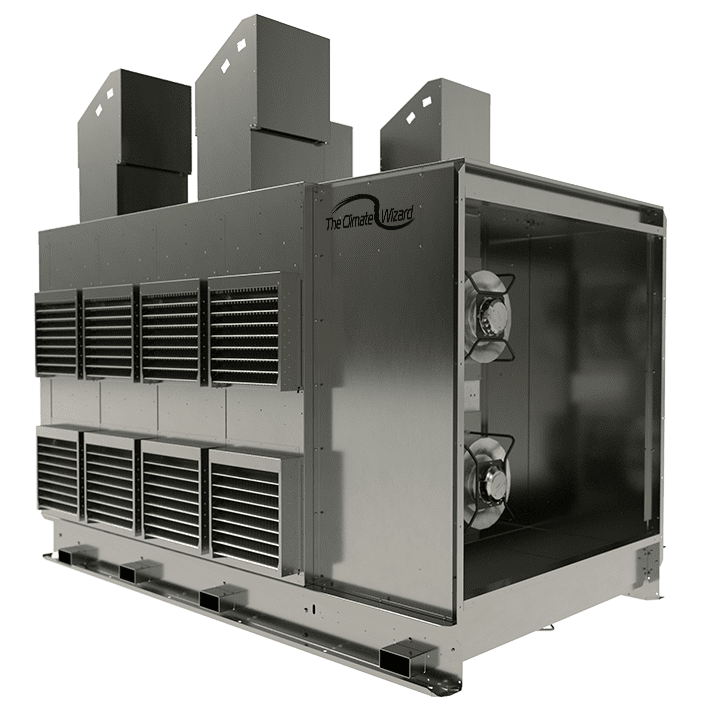
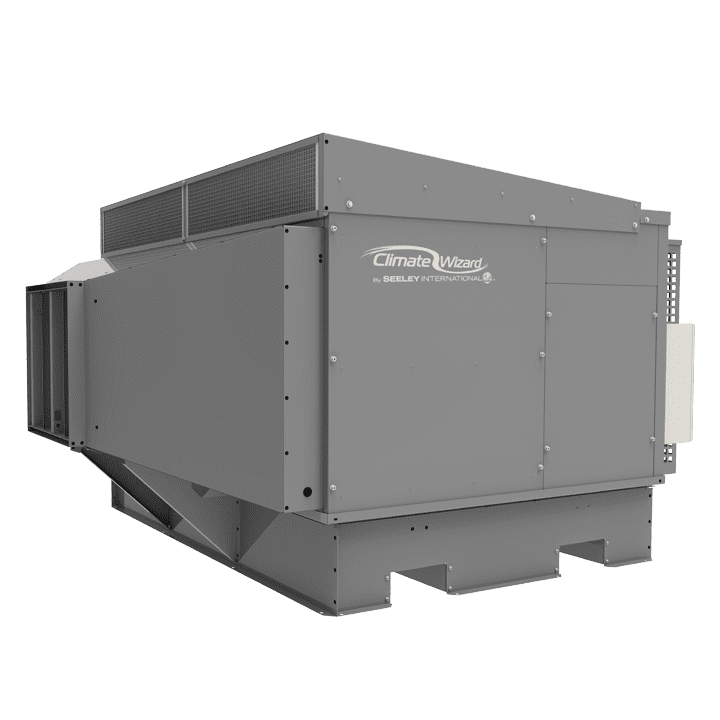
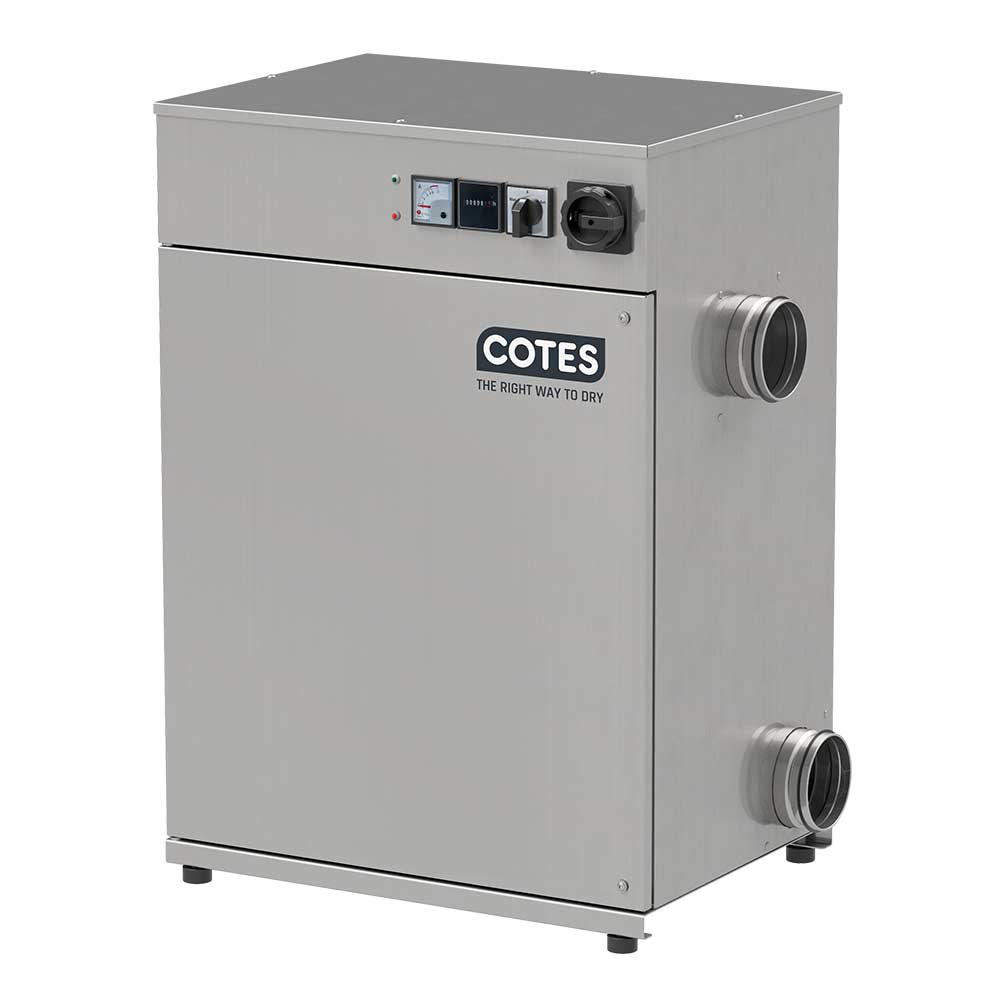
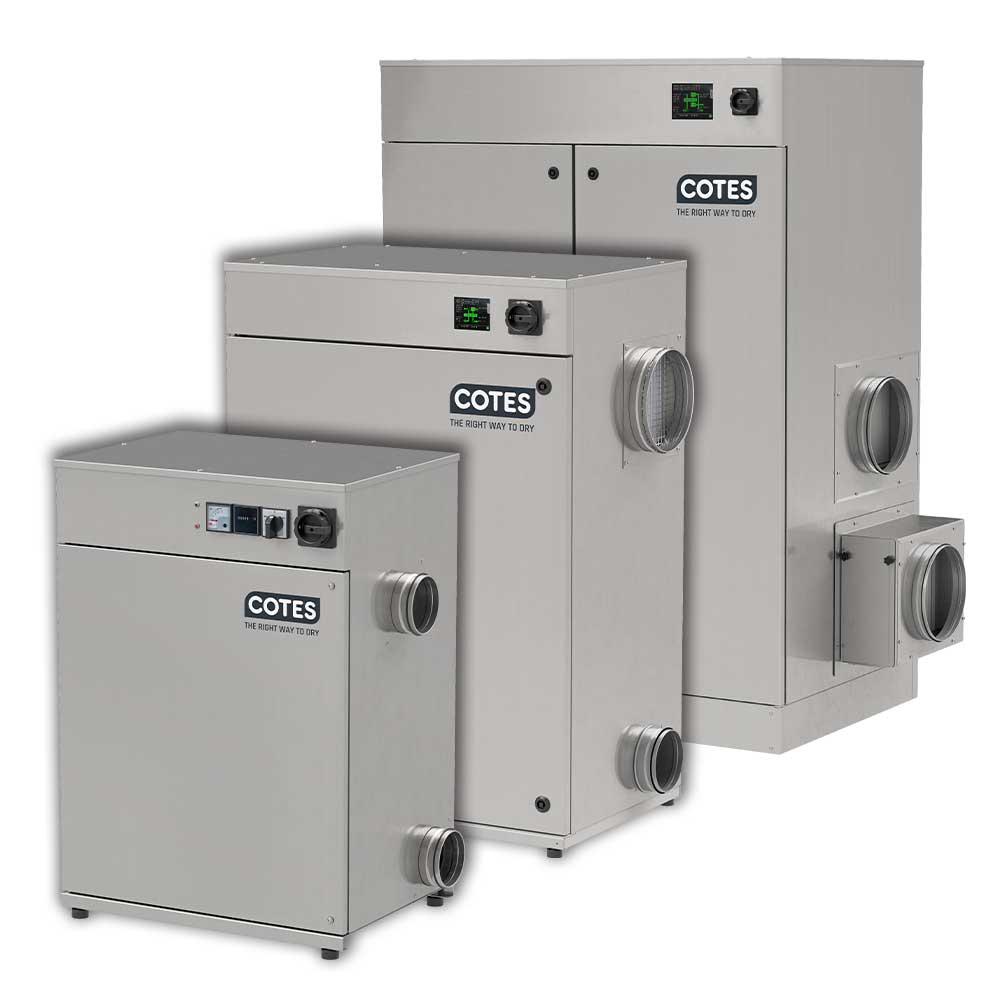
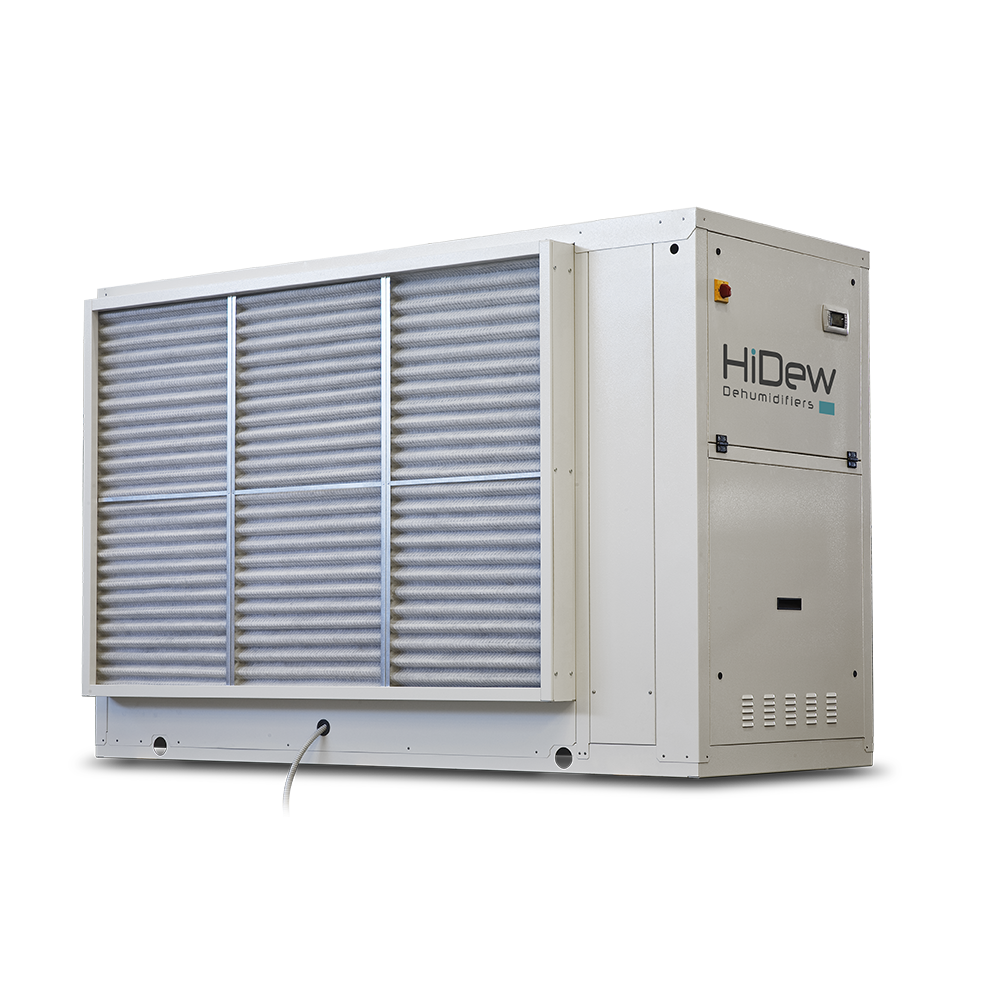
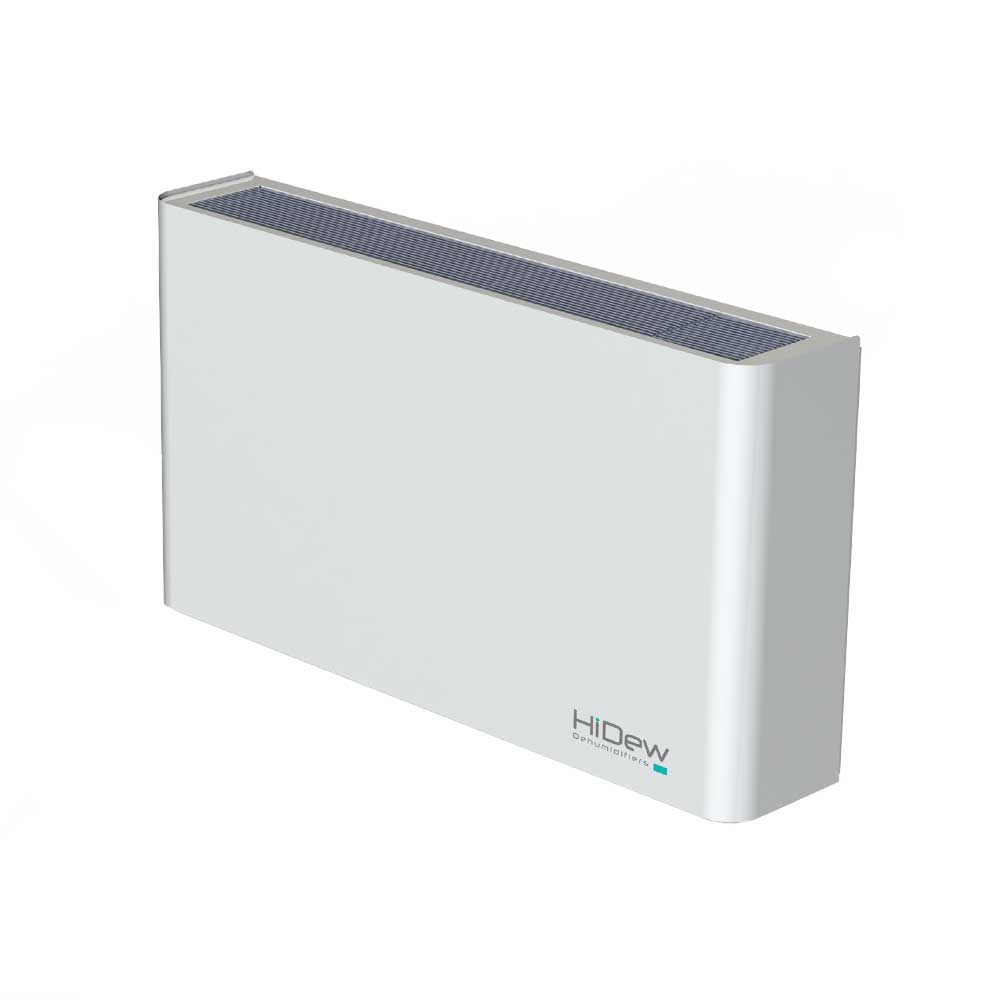
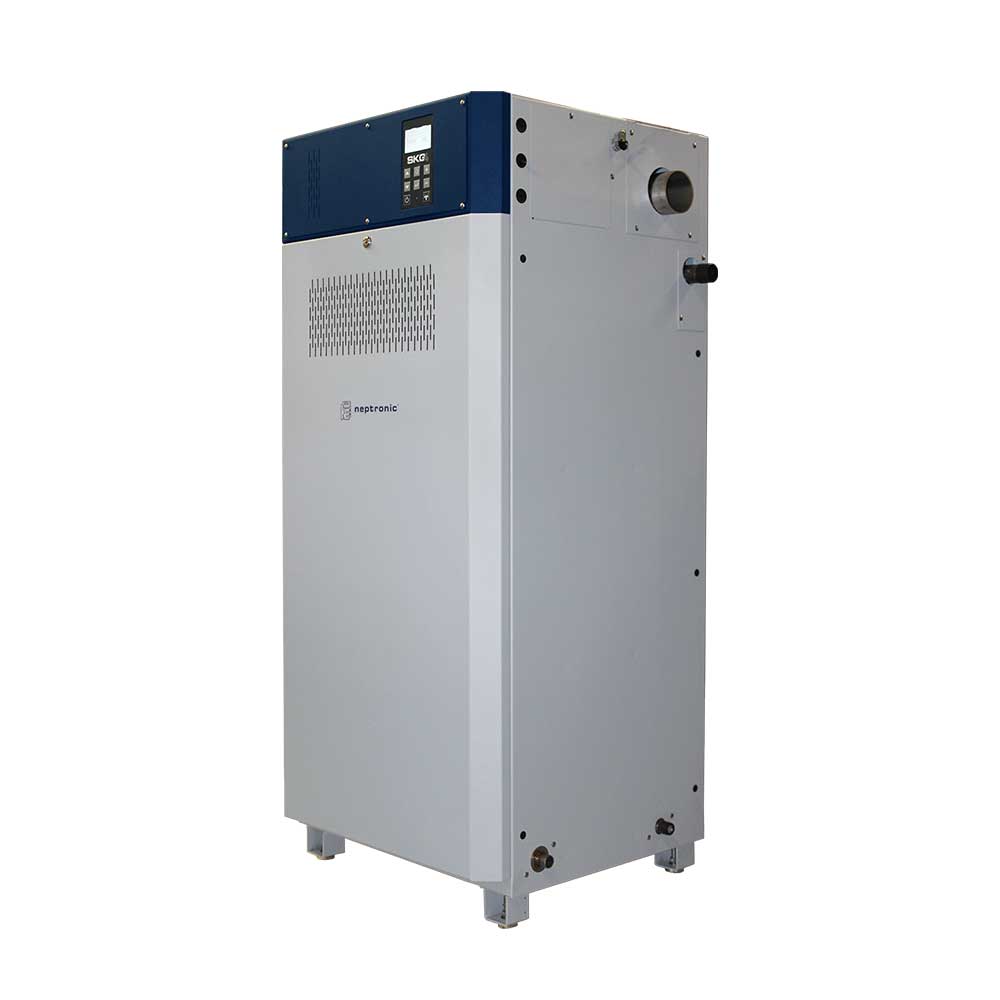
In the UK, food processing facilities face diverse climate requirements, from keeping dry powders free-flowing to preventing moisture buildup in cold storage. Utilising the correct combination of humidifiers and dehumidifiers, such as isothermal steam units or desiccant systems, helps ensure HACCP compliance maintain produce standard and protect profit margins. Every facility manages different ingredients and production processes, implementing a tailored climate control solution is essential to guarantee product consistency and minimise costly waste.
We understand Food Production
Free and fast response to all enquiries.
From a team with decades of experience.
bespoke turnkey solutions
We support you every step of the way.