Industry Experts
Offices & Meeting Rooms
Why is humidity control important to Offices & Meeting Rooms?
Maintaining a relative humidity between 40% and 60% is essential for creating a comfortable and healthy working environment in offices and meeting rooms. Dry air, often caused by winter heating or air conditioning, can lead to dry skin, irritated eyes, sore throats, respiratory discomfort, and electrostatic discharge. Maintaining optimal humidity levels helps improve indoor air quality, enhances occupant comfort, and creates a more pleasant environment for employees and visitors.
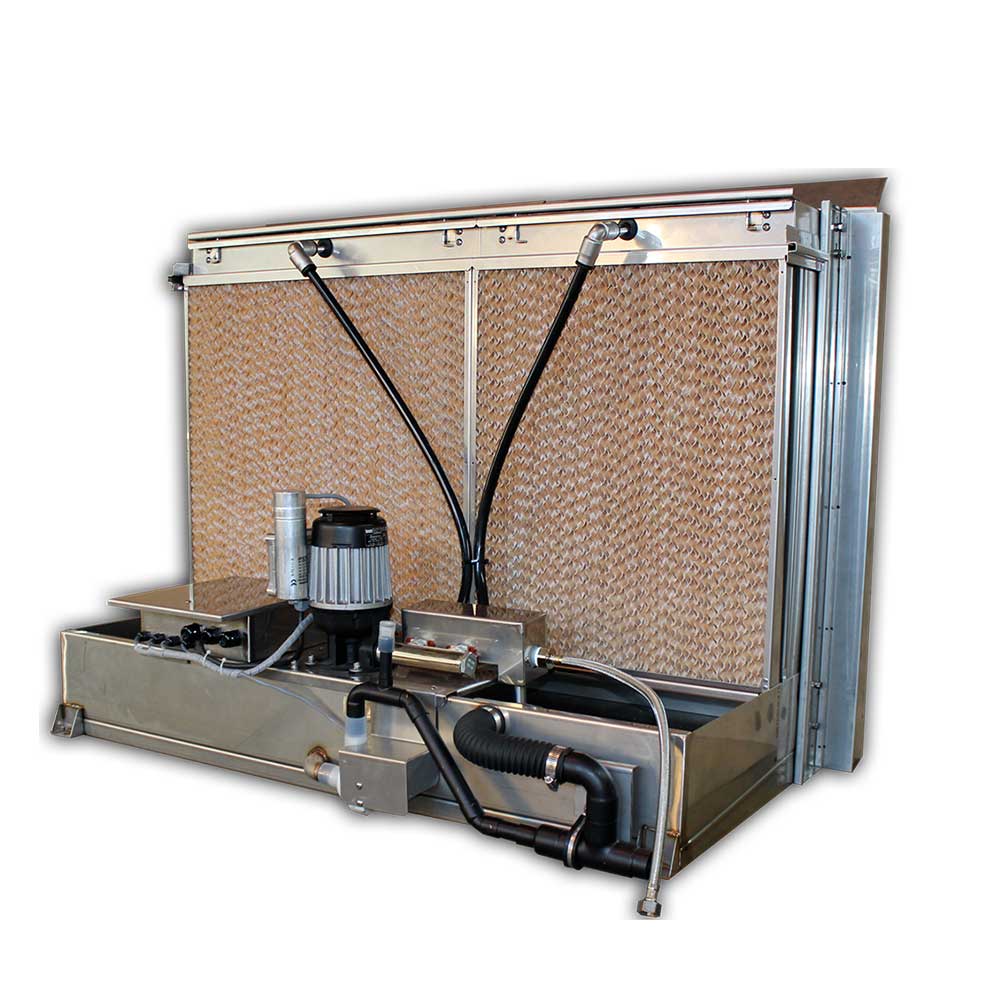
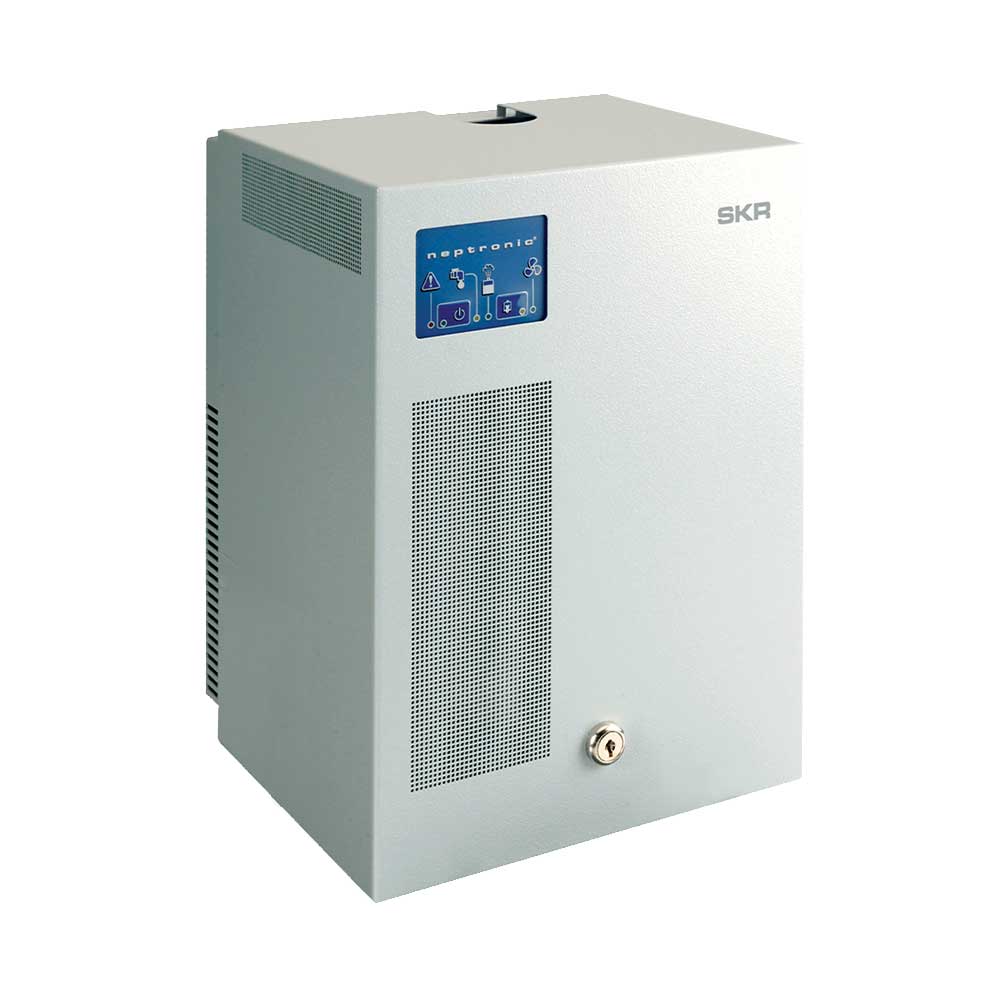
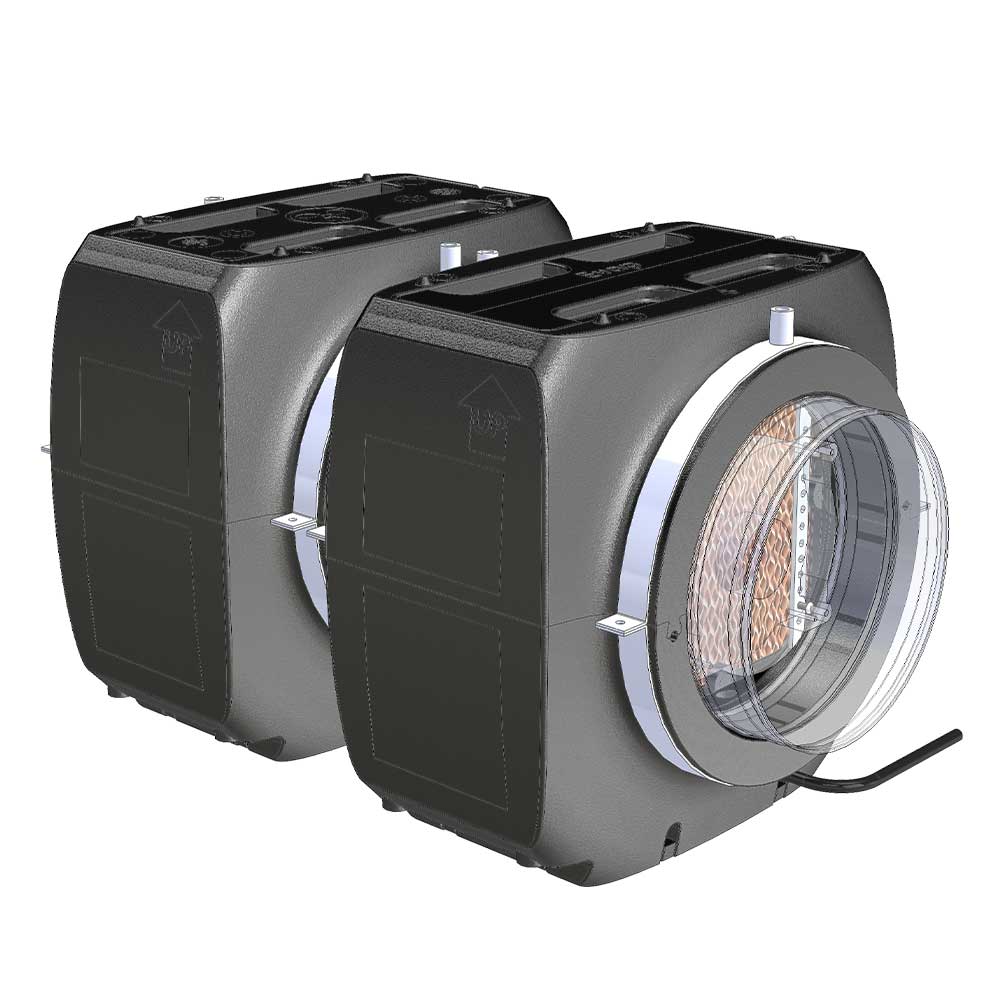
Humidification systems can be integrated directly into office spaces or central HVAC and air handling systems to provide consistent humidity control throughout the building. By maintaining stable environmental conditions, businesses can help reduce the effects of dry air, protect humidity-sensitive equipment and furnishings, and create comfortable meeting and working spaces throughout the year. As every office has unique occupancy patterns and ventilation requirements, a tailored humidification solution delivers reliable climate control, improved indoor comfort, and energy-efficient operation.
We understand Offices & Meeting Rooms
Free and fast response to all enquiries.
From a team with decades of experience.
bespoke turnkey solutions
We support you every step of the way.